Somebody Turn It Up: How Shared Radio Listening Is Bringing People Back to the Same Room
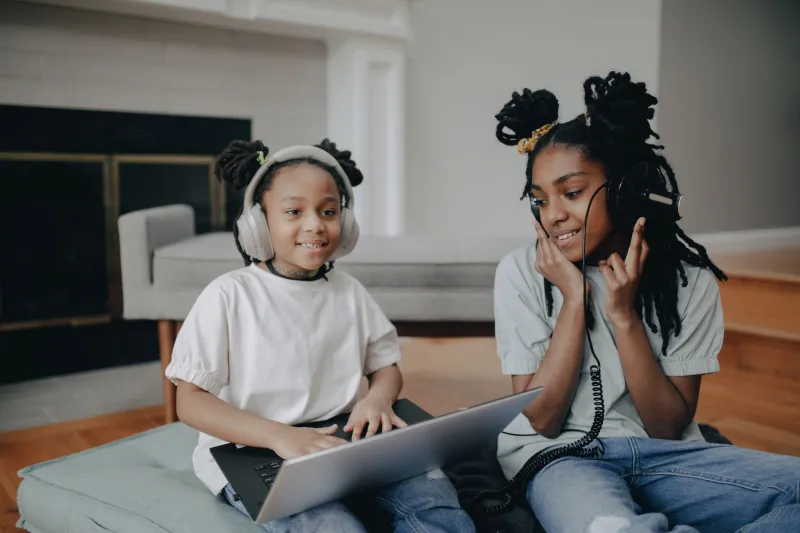
There's a moment that keeps coming up when you talk to radio listeners lately. Someone describes sitting around the kitchen on a Sunday morning, coffee in hand, a station playing in the background—and then realizing that everyone in the house is actually listening. Not just tolerating it. Not half-paying attention while scrolling. Actually tuned in, talking about what just came on, reacting to a DJ's comment, arguing about whether the next song is a banger or a skip.
That moment? It's happening more than you'd think.
The Isolation Tax We've Been Paying
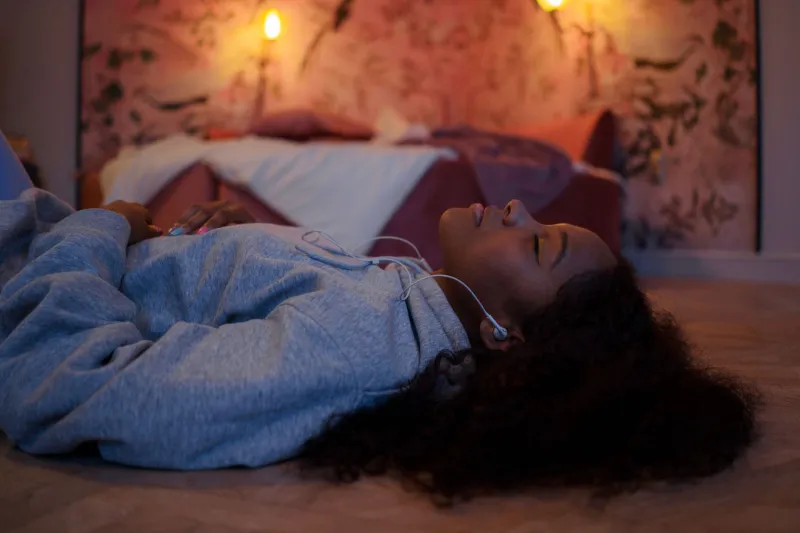
For the better part of a decade, audio went deeply personal. Streaming platforms optimized for the individual. Podcasts became something you consumed alone on a walk or during a commute. Playlists became identity statements—curated, private, non-negotiable. The whole architecture of modern listening was built around one person and one pair of ears.
And it worked, mostly. But something got lost in the trade-off.
When you hand everyone in the room their own queue, you eliminate friction—but you also eliminate the experience of sharing something in real time. Nobody's reacting to the same drop. Nobody's groaning at the same throwback track. Nobody's laughing at the same DJ bit. You're all technically listening to music, but you're doing it alone, together.
Psychologists have a term for the kind of emotional resonance that comes from synchronized experiences—where two or more people feel something at the same moment, triggered by the same thing. It's a bonding mechanism that goes way deeper than just vibing to similar taste. And it turns out, radio has been delivering that quietly all along.
What Radio Actually Does That a Playlist Can't
Here's the thing about tuning into a live station: you don't control it. That's usually framed as a limitation. But flip it around and it becomes a feature.
When nobody in the room is the DJ, nobody's ego is on the line. Nobody's defending their choices or feeling judged for what comes next. The station takes the wheel, and suddenly the group is reacting together to something external—something none of them made, none of them chose, and none of them can skip. That shared surrender is weirdly freeing.
Families who've made a habit of putting on a station during dinner describe it almost like a conversation lubricant. A song from the '90s comes on and a parent starts telling a story. A current hit sparks a debate between a teenager and their older sibling about whether it's actually good or just everywhere. A DJ drops a local news tidbit and suddenly the table has an opinion. The music isn't the point—it's the trigger.
Roommates say similar things. In houses where everyone runs on different schedules and different streaming accounts, a shared station in the kitchen or living room becomes neutral ground. A communal frequency that nobody owns and everyone can comment on.
The Radio JXL Effect
At Radio JXL, we've seen this play out in listener feedback in ways that honestly surprised us. People aren't just reaching out about songs they love—they're telling us about moments. The Friday night where the whole crew ended up dancing in the living room because a set hit just right. The road trip where the family agreed to let the station run instead of arguing over a playlist and ended up having the best four hours they'd had in months.
That's not an accident. Live radio, with its mix of music, personality, and unpredictability, creates conditions for shared experience that a static playlist simply can't replicate. You can't bond over a surprise if there's no surprise. You can't react together to something you already knew was coming.
Making It a Ritual
What's interesting isn't just that people are listening together—it's that they're being intentional about it. This isn't the old-school scenario where the radio played because it was the only option. These are households with every streaming service available, smart speakers loaded with algorithmic recommendations, and the ability to pull up literally any song ever recorded within three seconds. And they're choosing to hand that control over to a station.
Some families have made it a Sunday morning thing. Others have a standing Friday night ritual where the station runs through dinner and nobody touches their phone. Friend groups describe pre-gaming or cooking together with a station on as the move specifically because it keeps the energy communal—nobody's hijacking the vibe with a personal queue.
There's something almost countercultural about it now. In an era of maximum personalization, choosing the shared, uncontrolled experience is a deliberate act. It's opting into a little chaos for the sake of connection.
What This Says About Where We Are
The resurgence of communal listening isn't really about radio making some big comeback in a technical sense. It's about people recognizing a need that hyperpersonalized media quietly starved. We spent years optimizing our audio lives for individual satisfaction and ended up with something efficient but lonely.
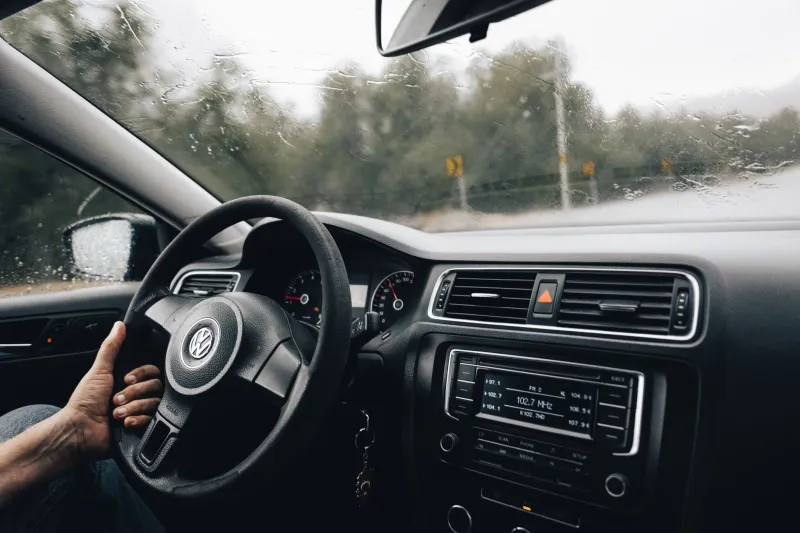
Shared listening—whether it's around a dinner table, in a car with the windows down, or in a kitchen on a random Tuesday—scratches a social itch that no algorithm is designed to address. It creates the kind of spontaneous, unscripted moments that stick in memory. The song that came on right when someone said something funny. The track that made everyone stop talking for a second. The DJ comment that turned into a thirty-minute conversation.
Radio doesn't just deliver music. It delivers context—real time, shared, unrepeatable context. And it turns out, in a media landscape built around giving everyone exactly what they want exactly when they want it, that context is the thing people are most hungry for.
So next time you're looking for something to do with the people in your orbit, maybe the move isn't to pull up a playlist. Maybe it's just to turn on a station and see what happens.
Your sound. Your station. But this time—everybody's.