They Deleted the App and Turned the Dial Back: The Quiet Return of the Radio Convert
The Breakup That Didn't Stick
It started with a free trial. Then a student discount. Then a family plan that made the whole thing feel practically free. For a solid decade, the narrative was airtight: streaming had won, radio was done, and anyone still spinning the dial was basically watching VHS tapes in a 4K world.
Except something weird started happening.
Listeners — real ones, younger ones, the kind who had never owned a physical album and grew up with Spotify wrapped around their identity like a second skin — started drifting back. Not in a nostalgic, ironic way. In a genuine, I-actually-need-this kind of way.
And radio, for its part, was ready.
The Exhaustion Nobody Talks About
Here's the thing about unlimited choice: it sounds incredible until you're twenty minutes into scrolling your own library at 7 AM, completely paralyzed, running late for work, and somehow more stressed than you were before you opened the app.
Behavioral researchers have a name for this — decision fatigue — but you don't need a psychology degree to recognize the feeling. The blank search bar. The algorithmically generated playlist that somehow always feels like it's guessing wrong. The moment you realize you've spent more time curating music than actually listening to it.
"What we hear from listeners who come back is almost always some version of the same thing," says one program director at a regional Top 40 station in the Midwest who spoke with us recently. "They say they just wanted someone else to be in charge for a while. They wanted to show up and have something already happening."
That's not a small thing. That's a fundamental shift in what people are actually asking audio to do for them.
Radio Does Something Streaming Literally Cannot
Let's be honest about what streaming does well. It's extraordinary at delivering exactly what you already know you like. It learns your patterns. It surfaces artists adjacent to your taste. It is, in many ways, a perfect mirror.
But a mirror only shows you yourself.
Radio — and live audio programming more broadly — does something structurally different. It shows you what's happening right now, across a shared cultural moment, with everyone else who's tuned in. When a massive news event breaks, when a beloved artist drops something unexpected, when a local team makes an improbable run in the playoffs — radio is the place where the collective reaction lives in real time. You're not just consuming content. You're participating in a shared experience.
"There's genuine psychological comfort in knowing other people are hearing exactly what you're hearing, at exactly the same moment," explains the kind of thinking that behavioral scientists who study parasocial connection keep coming back to. "It reduces a certain kind of loneliness that playlists, no matter how perfect, simply can't address."
Streaming can recommend the song. It cannot recreate the moment.
The Serendipity Factor
Ask returning listeners what they missed most and a surprising number of them say some version of: hearing something I never would have found on my own.
Algorithms are trained on your history. They optimize for engagement based on what you've already responded to. That makes them good at narrowing in — and terrible at genuinely surprising you. The recommendation engine isn't designed to throw you a curveball. It's designed to keep you comfortable.
Radio, by contrast, has always operated on a different logic. A good programmer or DJ makes choices that serve the room, not just the individual. They sequence songs for texture, for contrast, for the way a slower track breathes after something that hit hard. Sometimes you get a song you'd never click on in a million years — and it absolutely wrecks you.
That's not a bug. That's the whole point.
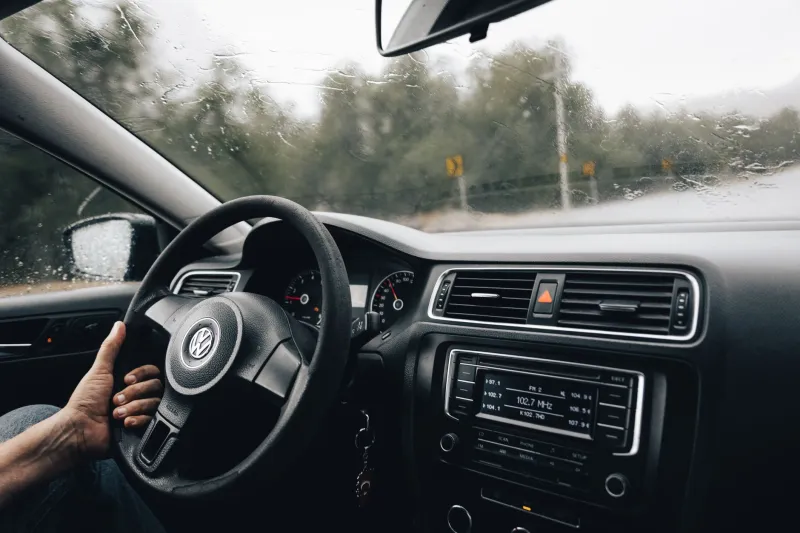
One listener in her early thirties who recently came back to terrestrial radio after six years of streaming-only described it this way: "I heard a song on the way to drop my kids off that I hadn't thought about since high school. I didn't search for it. I didn't ask for it. It just showed up. And I sat in the parking lot for five minutes after I got there because I wasn't ready for it to end. That doesn't happen on shuffle."
The Human Voice in the Room
There's also something harder to quantify but impossible to ignore: the presence of an actual person.
Streaming platforms have experimented with audio commentary, hosted playlists, even AI-generated DJ voices. None of it lands the same way. A real host who reacts to what just happened in the world, who throws in a joke that only makes sense if you're driving through a specific stretch of highway in a specific city, who stumbles slightly over a sentence and sounds human because they are human — that texture is irreplaceable.
Programmers who've watched their numbers climb over the past couple of years point to this consistently. The stations that invested in personality — not just playlist quality — are the ones seeing the most meaningful listener recovery. People came back for the music. They stayed for the voice in the room.
It's Not Either/Or Anymore
Here's the nuance worth sitting with: this isn't really a story about radio defeating streaming. It's a story about listeners getting more sophisticated about what they need from audio and when.
Streaming isn't going anywhere. It remains genuinely excellent for focused listening, deep dives into a catalog, working out, or falling asleep. But radio — live, programmed, hosted, present — fills a different need entirely. It's the difference between cooking a meal from scratch and having someone cook for you. Both are good. They're just good for different versions of your day.
The listeners coming back aren't rejecting what streaming gave them. They're adding something back that they didn't realize they'd lost.
The Dial Turns Both Ways
At Radio JXL, this shift isn't surprising — it's the whole bet. The idea that live, curated, personality-driven audio programming would eventually feel like a relief in a world of infinite on-demand content was always the thesis. Not because streaming failed, but because humans are wired for shared experience in a way that personalized algorithms were never designed to serve.
The listeners are figuring that out on their own. One deleted app at a time. One unexpected song on a Tuesday morning at a time.
Welcome back. The dial was always here.