W, K, and the Prettiest Four Letters in America: A Field Guide to Radio Call Signs
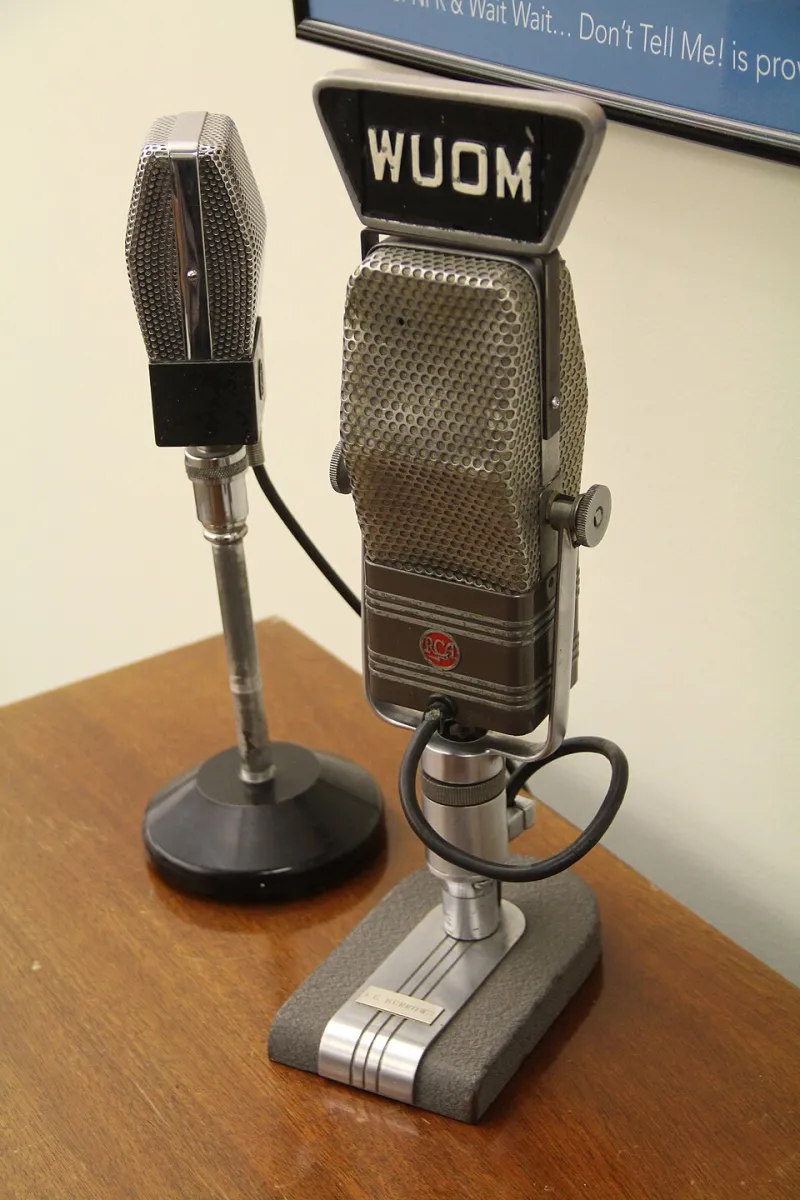
Photo: Fourandsixty, CC BY-SA 4.0, via Wikimedia Commons
Quick: what does the W in WHTZ actually stand for?
Nothing. Same for the K in KROQ, the three letters trailing the dash in WXYZ, and every other chunk of alphabet soup that hits the top of the hour. American radio call signs are among the oldest brand names in the country — older than most of the corporations that now own them — and virtually nobody who hears them knows what they mean.
That was never the point. Meaning isn't what makes them stick. Consistency is.
Why W and K, and Why a River Decides
The U.S. government started handing out call letters to ships and land stations back in the 1910s and '20s, and at some point an official drew a line down the country: W east of the Mississippi, K west of it. That border still holds today, which means a station's first letter quietly tells you where it lives — or where it lived when somebody filed the paperwork.
The exceptions are the fun part. KDKA in Pittsburgh sits on the wrong side of the river and has for a century, grandfathered in like a barn that predates the zoning code. A few others like it exist. They're the radio equivalent of a street that changes names mid-block for no reason anyone can explain.
The Vanity Game
Once a station owns its letters, it holds them the way a family holds a name — sometimes for decades, sometimes through three ownership changes, sometimes past the point where anyone remembers the original meaning.
The FCC will grant a specific, requested set if it's not already spoken for and clears a basic taste review. That's created a strange little secondary market in patience. Programmers sit on wish lists for years, waiting for a competitor to sell or a license to go dark so the letters they want fall loose.
And when a station does land the right four characters, it can rebrand an entire identity around them. When Seattle's KCMU became KEXP, the new letters weren't a technicality — they became the station's whole personality, spoken out loud like a band name. Other stations went the easy route and picked letters that spell the format: KTWV is "The Wave," and nobody has ever had to explain it twice.
The Ranking: Most Memorable Call Signs in America
Judged on pronunciation, weirdness, and how completely the letters outgrew whatever they originally stood for.
1. KROQ — Los Angeles. Spelled R-O-Q, said "K-Rock." A station that spent decades teaching a city to mispronounce four letters on purpose and made it sound like a movement.
2. WHTZ — New York. Almost nobody says the call letters. Everybody says Z100. Four characters, entirely outsourced to a number, and it still works.
3. KDKA — Pittsburgh. The grandfathered giant on the wrong side of the Mississippi. Proof that a call sign can outlast every format it has ever carried.
4. KFOG — San Francisco. Weather as branding. A station named after the thing locals complain about most, complete with a legendary annual fireworks show that put the letters on t-shirts.
5. WXYZ — Detroit. The alphabet station. Try finding a better set for a market's heritage signal — three letters that literally spell the order of the alphabet out loud.
6. KTWV — Los Angeles. The rare call sign that's also a complete format description. "The Wave" and "KTWV" were built for each other.
7. KEXP — Seattle. The modern model: letters as a public-facing brand, chanted at concerts, printed on bumper stickers, and never once confused with a dial position.
8. WKRQ — Cincinnati. Q102. One letter doing all the work, and doing it loudly.
The Call Sign With No Dial
Here's the modern twist: call letters were invented to identify a transmitter. They were a legal fact — a license number you could point at.
Online stations don't have one of those. There's no tower, no frequency, no federal inspector driving out to check the antenna. And yet the mystique survives. Streaming stations still name themselves like heritage signals, still slap a W or a K on the front, still use four characters to sound like they've been broadcasting out of the same building since 1958.
We'll own it here at Radio JXL — a made-up set of call letters is a little bit of theater. But it's honest theater. It signals something listeners actually care about: this is a station, not a shuffle. Somebody picked these songs. Somebody is behind the mic. The letters are a promise that the thing you liked yesterday will still be here tomorrow.
Four Letters, Still Working
Call signs were supposed to be bureaucracy — an identifier, filed in a drawer somewhere in Washington. Instead they became the most durable piece of branding in American media: cheap, mysterious, impossible to spell, and weirdly lovable.
So go ahead. Say yours out loud at the top of the hour next time. Somebody had to fight for those letters.