Thirty Seconds of Chaos: What Your Favorite DJ Is Actually Doing Before You Hear Their Voice
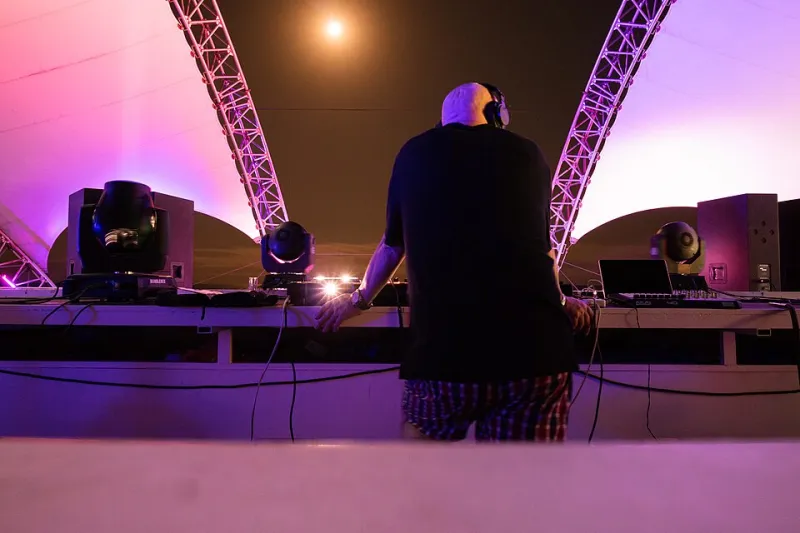
Photo: Vyacheslav Argenberg, CC BY 4.0, via Wikimedia Commons
The song is three minutes and forty-one seconds long. That's all the time a radio host has to check the weather radar, skim a press release, Google whether the artist whose song just played is actually from Tulsa or just recorded there, and mentally prep a transition into the next track.
If they do it well, you'll never know it happened. That's the trick of radio — the smoothest broadcast you've ever heard is built on thirty-second sprints of controlled chaos that listeners never get to witness.
The Clock Starts the Second the Song Does
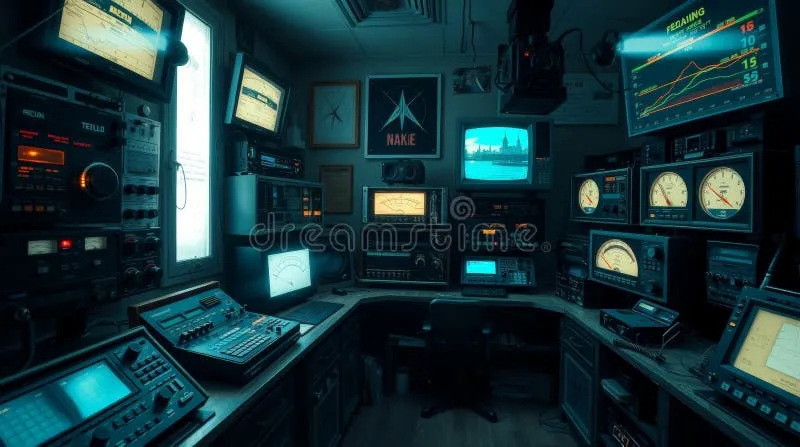
"People think we're just vibing between songs," says a midday host at a station in the Carolinas, who asked to be described without call letters because, quote, "my program director doesn't need to know I eat lunch over the board." "I'm not vibing. I'm reading the school closings. I'm checking if the artist I'm about to mention is alive. You laugh, but you say one wrong thing about one wrong person and the phones light up."
That window — the length of one song, sometimes less — is where the real work happens. Hosts describe it as a kind of organized panic: one eye on the automation screen, one on the weather app, one on the phone board in case a caller is waiting. (Yes, that's three eyes. Radio hosts evolve.)
The pre-song checklist is surprisingly consistent across markets. Weather, because someone always wants to know about rain. Local happenings, because mentioning the high school game on a Friday beats any focus-grouped content strategy. And trivia — quickly verified trivia — because a host who confidently misstates an artist's hometown will hear about it within minutes.
Dead Air Is the Enemy. Silence Is a Tool.
Here's something non-broadcasters don't understand: dead air and silence are completely different things. Dead air — an unintended gap where nothing plays — is a firing offense in some buildings. Silence, the deliberate pause before a punchline or after a heavy story, is craft.
"You learn to hear the difference in your own head," a overnight host in the Southwest told us. "If I'm setting up a story, I'll let a beat hang. That's intentional. But if the board glitches and there's two seconds of nothing? Listeners can feel the panic through the radio. They really can."
The unglamorous truth is that most "spontaneous" on-air banter is prepped in those stolen seconds. A host might scribble three talking points during the outro of a song, deliver them like they just occurred to them, and then immediately start prepping the next block. It's jazz and math at the same time.
The Googling Is Real, and It's Glorious
Ask any working air talent about their browser history and they'll laugh. Between songs, the tabs fly open: artist bios, local news scanners, a county fair schedule, the pronunciation guide for a guest's name that's coming up in the next break.
One host we spoke with keeps a battered notebook — actual paper — with phonetic spellings of every politician, coach, and business owner in her listening area. "Mispronouncing somebody's name on the radio in a small town is a personality fault you don't come back from," she says. "They'll forgive a wrong weather forecast. They will not forgive butchering their name."
That's the part outsiders miss. Radio hosting looks like talking. It's actually triage — deciding, in real time, which of the twelve things you know is the one thing worth saying before the next song starts.
The Phone Call You Hear Was Prepped in Thirty Seconds
That caller who sounds so natural? Sometimes they are. Sometimes they've been on hold through two songs while the host finished a weather hit and scanned the board. By the time the host picks up, they've read the caller's first name off the screen, glanced at their notes, and decided on an angle — all during the guitar solo you were enjoying.
"The listener hears a conversation," one program director explained. "The host hears a checklist with a heartbeat."
And when the call goes sideways — a caller who rambles, a dropped connection, a kid on the line who just learned a bad word — the host has to land the plane in real time, then pivot into the next song like nothing happened. The best ones make it look effortless. It is not effortless. It is a skill honed over thousands of thirty-second windows.
The Craft Nobody Claps For
There's no award show for best dead-air recovery. No plaque for smoothly pronouncing a Polish surname at 6:47 a.m. The reward is simpler: a listener who never notices the machinery, who just thinks the station sounds good, who keeps the dial — or the app — right where it is.
Next time a song ends and your host slides in with a weather note and a joke about the county fair, remember: that took thirty seconds, four browser tabs, and a decade of practice. The seamless part is the job. Everything else is lunch.