Your Radio Day: How One Listener Wants Five Different Stations Before Bedtime

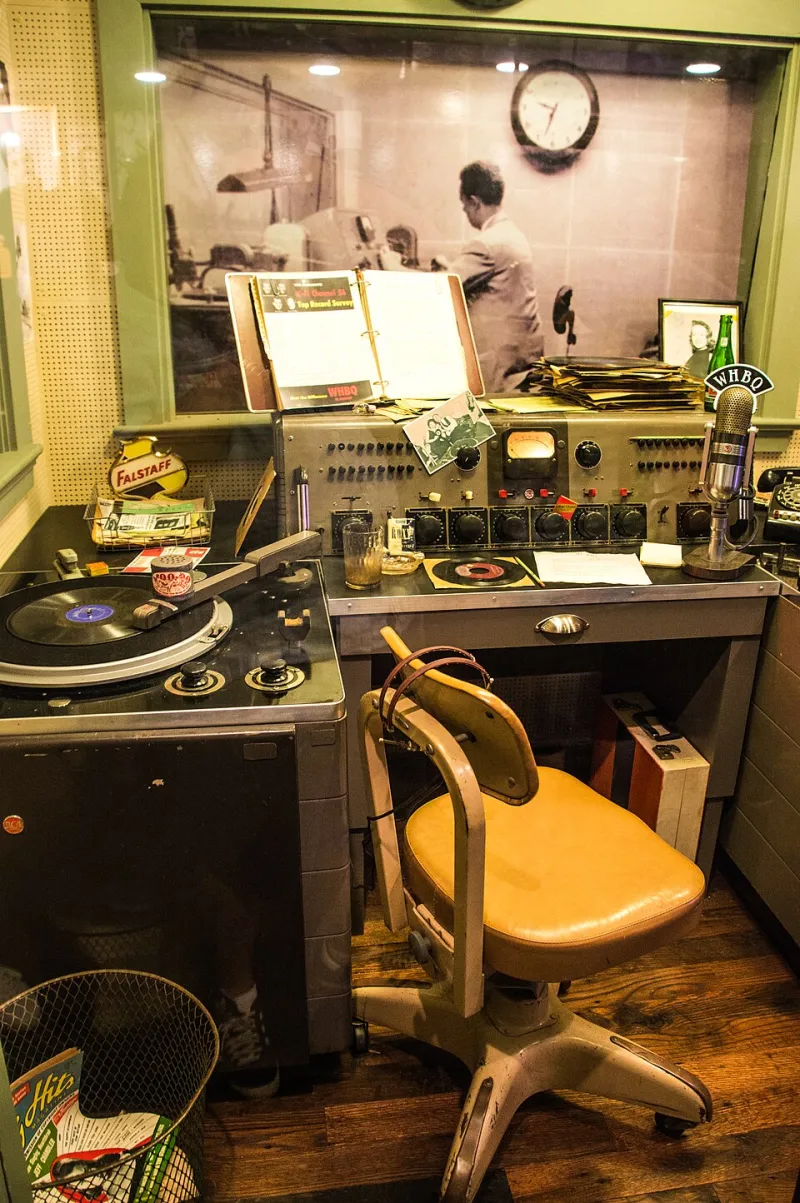
Photo: Shixart1985, CC BY 2.0, via Wikimedia Commons
There's a decent chance you're a different radio listener at 7:15 a.m. than you are at 9 p.m., even though you're technically the same person.
At 7:15, you want momentum. Something with a beat, a host who talks fast, traffic and weather delivered in tight, useful bursts. At 9 p.m., that same energy would feel like a stranger yelling in your living room. What you want then is warmth. Lower stakes. A voice that sounds like it's on your side.
Programmers have known this forever. It's called dayparting, and it's quietly one of the most important ideas in radio.
6 to 10 A.M.: The Commute Clock
The morning block is radio's Super Bowl, and it's built for people with one hand on the steering wheel and one eye on the clock. Songs skew familiar and up-tempo. Talk is short and functional — weather, headlines, one joke, done.
The listener's unspoken contract here is simple: entertain me, inform me, and don't make me think too hard before coffee. The morning host who rambles for four minutes about their weekend is violating that contract, no matter how charming the story is.
10 A.M. to 3 P.M.: The Workday Soundtrack
Once the commute ends, the listener changes. They're at a desk, a job site, a delivery route — and now radio becomes background architecture. The music can go deeper, because nobody's skipping. The host can breathe more, because the listener is staying put.
This is the daypart where curiosity lives. Midday hosts can try a new artist, tell a longer story, take a real phone call. The listener isn't going anywhere. Streaming made this block portable, too — the workplace stream follows you from the car to the cubicle without missing a beat.
3 to 7 P.M.: The Reverse Commute
The afternoon drive is morning drive's moodier sibling. The energy is still high, but the emotional register shifts — people are tired, hungry, and Done With The Day. Programmers lean into songs that feel like release rather than ignition.
There's also a sports shadow over this block. Game coverage, scores, and post-game chatter bleed into music formats here, especially on Fridays. The afternoon listener wants to know how the night is going to go.
5 to 8 P.M.: The Kitchen Counter Hours
Here's the daypart that streaming changed the most. Dinner prep used to be a kitchen-radio moment — a countertop unit, a local host, the smell of something in a pan. The habit didn't die; it just moved onto phones and smart speakers. The listener in the kitchen wants comfort, familiarity, maybe a little nostalgia. This is deep-cuts territory, singalong territory, the block where a song from 1998 can hit harder than anything released last month.
8 P.M. to Midnight: The Wind-Down
And then there's the last stretch, when the listener wants the volume of the world turned down. Tempo drops. Host voices get softer and more personal. The late-night block is where radio is at its most intimate — a single voice talking to a single person, usually alone, often in the dark.
Nobody dayparts harder than late-night hosts. They know exactly who's listening: night-shift workers, insomniacs, new parents, long-haul drivers. The music selection is almost a kindness.
Why the Same Station Can Do All Five
The genius of the format is that one station can serve all these moods without ever changing its identity. The DNA stays constant; the delivery shifts. A country station is still a country station at 6 a.m. and 10 p.m. — but it's a completely different emotional product.
Streaming only sharpened this. Your station now follows you from the driver's seat to the kitchen counter to the pillow, and the programmers behind it are adjusting the seams so you barely notice the transitions. The radio day isn't a schedule anymore. It's a companion that changes clothes when you do.
So tomorrow, notice what you want from the dial at each hour. The fact that you want different things — and that some invisible programmer anticipated all of them — is the quiet magic keeping the medium alive.