The Ad Break Glow-Up: How Radio Turned Its Most Hated 90 Seconds Into Must-Hear Radio
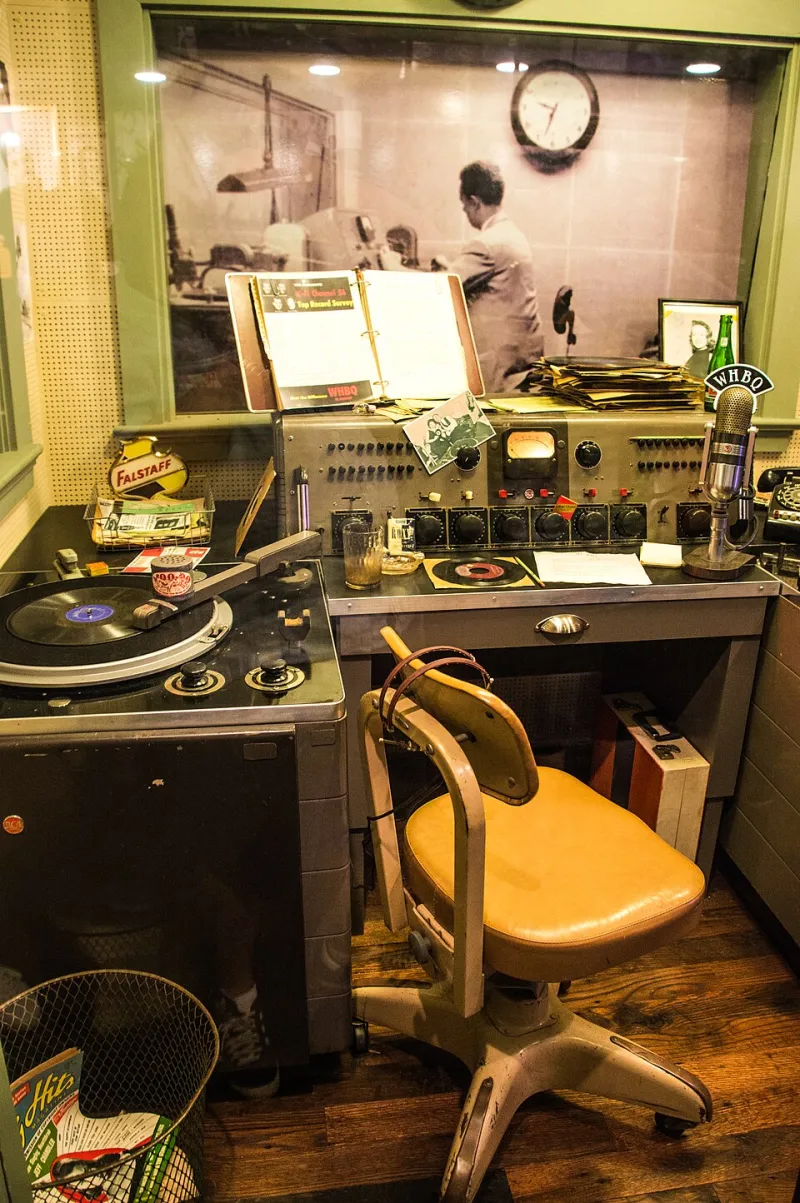
Photo: Michael Gaylard from Horsham, UK, CC BY 2.0, via Wikimedia Commons
There was a time — not that long ago — when the commercial break was radio's escape hatch. Songs end, spot starts, and suddenly your thumb is on the preset button like it's got a mind of its own. Programmers knew it. Advertisers knew it. Everybody pretended the break was just a necessary evil between the good stuff.
That era is ending, and honestly? It's ending fast.
The Break Is the Show Now
Scroll through the programming notes of a mid-size US station today and you'll find something strange living inside the ad blocks: a 60-second trivia segment sponsored by a local credit union. A two-minute "neighborhood shoutout" rundown where listeners get birthday wishes read on air. A running comedy bit — think a fake small-town mayor making increasingly unhinged proclamations — that has fans literally waiting through the break to hear the next episode.
The pitch is simple and kind of brilliant: if you can't get rid of the ads, make the ads worth hearing. Wrap the sponsorship in actual entertainment, and the listener's finger never leaves the dial.
It's not entirely new. Radio has flirted with this forever — the dj who reads the ad in their own voice, the sponsor who becomes a character on the morning show. What's changed is the intentionality. Stations are now designing breaks the way streaming platforms design thumbnails: as content, not interruption.
Why Listeners Are Actually Staying
The psychology here is more interesting than it looks. When you skip an ad on a podcast, you feel a tiny hit of control. When you flip the station during a break, you're gambling — you might come back late, mid-song, and the payoff for your impatience is hearing your favorite chorus for the nine hundredth time.
Stations figured out that the cost of leaving is higher than people think. Give the break a personality — a hook, a running joke, a payoff — and the math flips. Staying becomes the easy choice.
There's also a trust factor at play. A locally produced mini-segment feels like it belongs to the station and the town. A national network spot feels like it belongs to nobody. Listeners can smell the difference, even if they can't articulate it.
The Sponsor Gets a Glow-Up Too
Here's the part advertisers are quietly thrilled about: branded mini-content performs. A 90-second sponsored segment about the best fall hikes within an hour of the city, brought to you by the outdoor gear shop on Route 9, does something a :30 spot never could. It earns attention instead of demanding it.
We're seeing stations build entire packages around this — "sponsored moments" instead of "spot loads." The local diner isn't buying an ad anymore; it's buying a recurring bit. The hardware store underwrites the Saturday morning tool-tip segment. It's sponsorship the way public radio taught America to love it, just with more jokes and better production.
Can the Break Become Appointment Audio?
That's the multi-million-dollar question, and the honest answer is: partially. Not every break can be a show, and listeners will smell forced whimsy a mile away. A badly written comedy segment is worse than silence.
But the direction is clear. The future of free listening depends on making the free part feel valuable. Radio spent decades treating its breaks as dead air with a price tag. The smartest stations now treat every gap as a miniature first impression — a chance to prove the station is worth keeping on even when nobody's singing.
For listeners, that means fewer dead stretches and more moments where you catch yourself thinking, wait, what happens next in the hardware store bit? For an industry that's been told for twenty years it's dying, that's not a consolation prize. That's a comeback strategy — one 90-second break at a time.